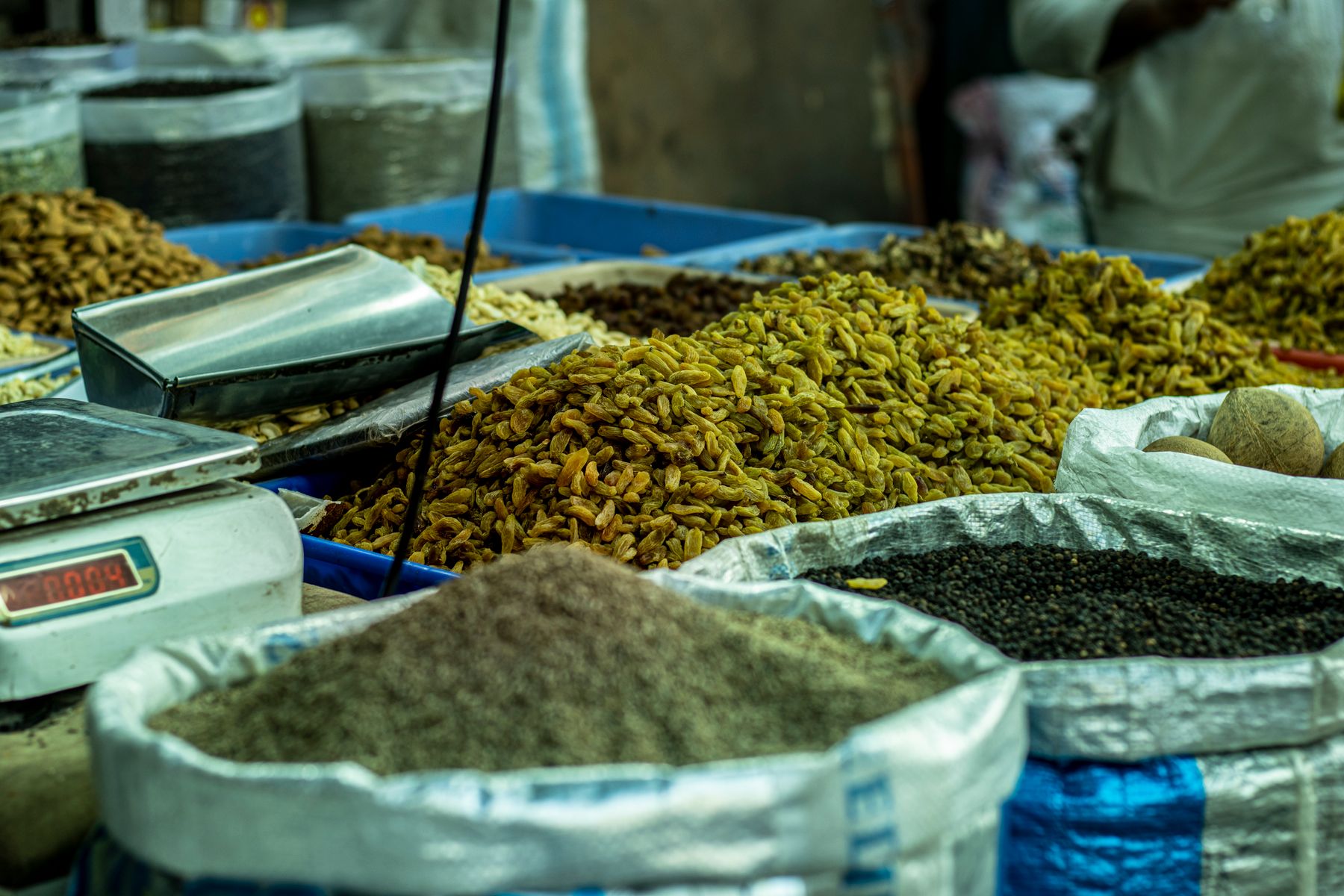
Aflatoxins are produced by Aspergillus moulds, principally A. flavus and A. parasiticus, which grow on crops in warm, humid conditions — in the field, during drying, and in storage. They are potent carcinogens, they are stable through most cooking processes, and they are the reason nut and dried fruit consignments get stopped at borders.
For a UK buyer the important thing to understand is that aflatoxin is not evenly distributed. It concentrates in a small number of individual nuts. A container can be perfectly compliant on average and still contain a handful of nuts carrying an enormous load. That single fact drives everything else about how the risk is managed.
Why sampling is the hardest part
Because contamination is so unevenly spread, taking a small sample from a large lot tells you very little. The statutory sampling procedures for these commodities are consequently elaborate: many incremental samples taken from across the whole lot, combined, milled to a fine paste, and subsampled. It is laborious and it is the only way to get a number that means anything.
The practical implication for a buyer is straightforward. A certificate based on a casual grab sample is close to worthless, however good the laboratory was. Ask how the sample was taken, not only who tested it.
Sorted versus ready-to-eat
Great Britain's maximum levels distinguish between product that will undergo sorting or other physical treatment before it reaches the consumer, and product that is ready to eat. The limits for the ready-to-eat category are tighter, because there is no further opportunity to remove the affected nuts.
This is the distinction that catches buyers out. If you purchase material at the sorted-category limit and then sell it as a retail snack without a sorting step, you have a compliance problem that did not exist when the goods were shipped. Decide which category your finished product falls into before you agree a specification, and make sure the supplier is quoting against the same one.
Limits are also set separately for aflatoxin B1 alone and for total aflatoxins, and they differ by commodity — almonds, pistachios, groundnuts and dried figs are all treated differently, and figs carry an ochratoxin A limit as well. Because these levels are set in retained legislation that is periodically amended, we deliberately do not reproduce the figures here. Check the current maximum levels against the legislation itself and the Food Standards Agency's guidance before you write a specification, and require your supplier to quote the specific limit they are testing to rather than the word "compliant".
Increased official controls at the border
Certain commodity-and-origin combinations are subject to increased frequencies of official control on entry to Great Britain, and the list is reviewed and amended over time. Consignments in scope may require pre-notification, documentary checks and physical sampling, and may need to be accompanied by an official certificate and analytical results from origin.
Two consequences matter commercially. Border checks take time, and a container held for sampling is a container not delivering to your production plan. And a failure at the border is far more expensive than the goods — you face detention costs, destruction or re-export, and a gap in supply you cannot fill quickly.
What to require from a supplier
- Testing at origin, before shipment. Not on arrival. The entire point is that the material never travels if it is going to fail.
- A lot-tied certificate. The result must belong to the consignment you are buying, with the lot identification matching the goods.
- The sampling method stated. An aflatoxin result without a sampling protocol behind it is a number without a meaning.
- Both B1 and total aflatoxin reported. Compliance is assessed against both. A certificate quoting only one is incomplete.
- Clarity on the category. The supplier should know and state whether the material is being certified as ready-to-eat or as subject to further sorting.
- A retained sample. If a question arises after delivery, retained material is the difference between resolving it and arguing about it.
Storage after it lands
Aflatoxin does not go away, but it can still get worse. Aspergillus will grow on compliant material held warm and damp, and a consignment that was fine on arrival can deteriorate in a poor warehouse. Moisture control is the whole defence: keep the material dry, keep it cool, keep packaging intact, and turn stock over. This is one more reason to buy for your actual turnover rather than for the price break on a quantity you will still be holding in eight months.
Every nut and dried fruit line we supply is aflatoxin tested before shipment, with the certificate tied to the lot and a retained sample held. If you would like us to review the testing arrangements you currently have in place, send us the certificates and we will tell you plainly where the gaps are.